

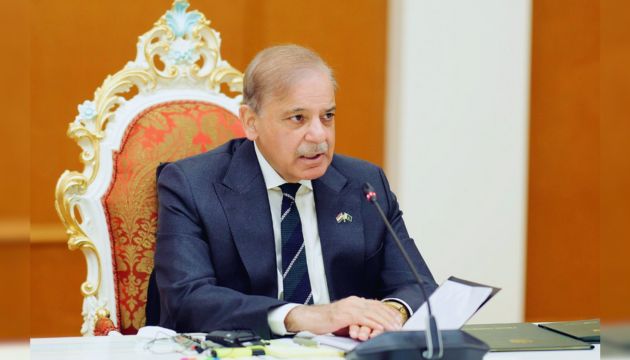
ISLAMABAD: Prime Minister Shehbaz Sharif has ordered the 100-megawatt solar power project in Gilgit-Baltistan to be completed within a year, vowing to personally oversee its implementation. He said the scheme must be treated as a top priority to provide the region with affordable, eco-friendly, and uninterrupted electricity.
The prime minister ordered that all infrastructure be built to withstand climate challenges. He said the federal government would bear the entire cost of the project, which aims to end prolonged power outages in Gilgit-Baltistan and provide electricity to remote areas through solarisation.
Shehbaz Sharif noted that the project would help reduce the 18–20 hours of daily load-shedding currently faced by residents and called solar energy the most suitable solution for the region.
He stressed the inclusion of more renewable energy sources in Pakistan’s energy mix to counter the effects of climate change and ensure reliable power supply during extreme weather conditions. Transparency in project execution was also directed.
During a review meeting in Islamabad, attended by federal ministers Ahsan Iqbal, Ahad Cheema, Sardar Awais Khan Leghari, PM’s Coordinator Musharraf Zaidi, renewable energy expert Dr Gerwin Dreesmann, and senior officials, progress and the project roadmap were discussed.
— ALSO READ —
Islamabad, Jakarta to honour ties with roads, monuments
Officials briefed the meeting that the plan includes building six solar parks in Gilgit, eight in Skardu, and six in Diamer. Additionally, 234 buildings in Gilgit, 179 in Skardu, and 68 in Diamer will be equipped with solar installations. Battery storage will provide backup, and a real-time monitoring system will be implemented. International quality standards will be maintained throughout the construction.
Shehbaz Sharif assigned Federal Minister for Power Sardar Awais Khan Leghari to lead the steering committee overseeing the project.
The federal government is also working on multiple renewable energy initiatives across the country to reduce reliance on imported fuel.
Solar projects are being set up in Punjab and Sindh, while wind energy projects are underway in the coastal areas of Balochistan and Sindh. Officials say these projects will help cut power generation costs, lower carbon emissions, and improve energy access in remote regions.