

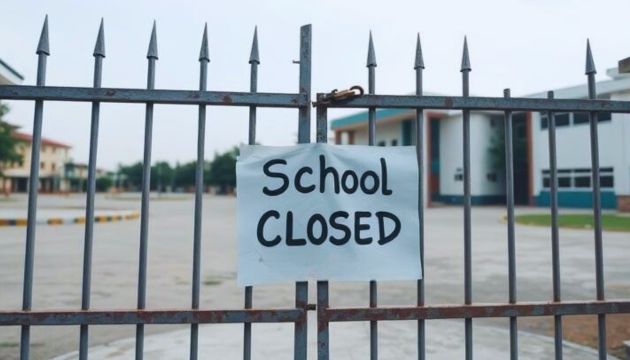
LAHORE: The Punjab government has announced the closure of all educational institutions in the province to deal with economic pressure caused by the ongoing conflict in the Middle East.
The decision was taken by Punjab Chief Minister Maryam Nawaz after a sharp increase in petroleum prices due to global supply disruptions linked to the Middle East conflict.
According to the new decision, all schools, colleges and universities across Punjab will remain closed from March 10 to March 31. However, educational institutions may continue online classes during this period, while examinations will take place as scheduled.
The move comes as Pakistan, like many other countries, faces fuel supply problems following the closure of the Strait of Hormuz, an important route for global oil shipments.
Oil-producing countries are facing difficulties in supplying fuel after Iran launched retaliatory actions against US bases in the Middle East following joint strikes by the United States and Israel.
Due to disruptions in supply routes, Pakistan recently increased petrol and diesel prices by 20 percent, prompting the government to introduce austerity measures.
ALSO READ
Sindh introduces digital system to monitor vehicle insurance
As part of these steps, the Punjab government has suspended official outdoor events. Cultural programmes, including the Horses and Cattle Show, have also been postponed.
Under the new directives, provincial ministers will not receive government fuel until the petroleum shortage is resolved. Government officials will also face an immediate 50 percent cut in petrol and diesel allowances.
In addition, ministers will be allowed only one protocol vehicle for essential security purposes.
The government has also introduced a work-from-home policy for government offices, while only essential staff will attend offices physically.
Online public services under the “Maryam Ki Dastak” programme and e-business platforms will continue to operate to facilitate citizens.
Meanwhile, the chief minister has ordered the formation of petrol monitoring committees at the district level. The Punjab Information Technology Board (PITB) has been directed to develop a track and trace system to monitor the movement of petroleum products.
ALSO READ
Punjab govt plans WASA offices in 21 districts
Local administration, police and paramilitary officials will assist in developing the monitoring system. CM Maryam Nawaz clarified that government offices will continue working normally and only unnecessary movement of additional support staff will be restricted.
She also directed authorities to issue an advisory for the private sector, asking companies to adopt work-from-home policies, limit non-essential events and call only necessary staff to offices.
Provincial authorities have also been instructed to monitor transport fares across all districts and take legal action against excessive or illegal fares.
The chief minister further advised citizens to avoid unnecessary purchases, reduce outdoor activities and limit late-night shopping.
Earlier, the Balochistan government also announced similar steps and closed all educational institutions across the province from March 10 to March 23.
According to the provincial education department, all public and private schools, colleges and universities will remain closed during this period.
However, ongoing initiatives such as the school enrolment campaign and the digital school census will continue according to the previously announced schedule.