


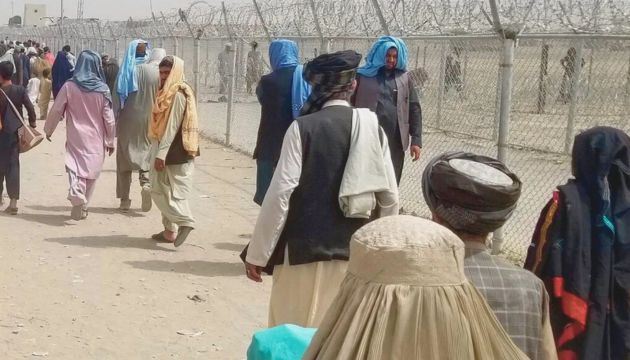
LAHORE: The Punjab government has started the third phase of deporting illegal Afghan residents, identifying 123 more individuals and placing them in holding centres for repatriation.
Since April 1, 2025, the Punjab government says it has already sent back 42,913 Afghan nationals under Pakistan’s Illegal Foreigner Repatriation Plan (IFRP). Authorities are targeting Afghans who either lack legal documents or have overstayed in the country for more than a year.
Punjab currently has 46 holding centres, including five in Lahore, where illegal Afghan residents are kept until they are sent to the Torkham Border for return to Afghanistan.
Punjab IGP Dr Usman Anwar said police across the province are on high alert, ensuring the arrest and repatriation of illegal Afghan nationals in accordance with international laws. He added that the government is taking care to protect human dignity and rights during the process.
Dr Anwar stated that so far, the Punjab Police have deported 21,805 illegally staying Afghans and other foreigners.
ALSO READ
Federal employees to receive 85% higher house rent allowance
Last month, the federal government closed the final Afghan Refugee Camp in Mianwali, along with four camps in Khyber Pakhtunkhwa and ten camps in Balochistan. Punjab Home Secretary Dr Ahmad Javed Qazi said there are now no operational Afghan refugee camps in the province after Mianwali’s “Kot Chandna” camp was shut down.
Dr Qazi explained that Afghans picked up by law enforcement are taken to district-level holding centres, where the government provides boarding, lodging, and food. They are then transported to the Torkham Border at the government’s expense. He added: “All Afghans in Pakistan must leave except those with valid visas.”
According to the UN, over 3.5 million Afghans live in Pakistan, including around 700,000 who arrived after the Taliban takeover in 2021, with about half lacking proper documents.
While Pakistan has provided support to Afghan refugees for decades, the government says the large number of undocumented residents now poses risks to national security and adds pressure to public services.