
Muhammad Tariq Nadeem
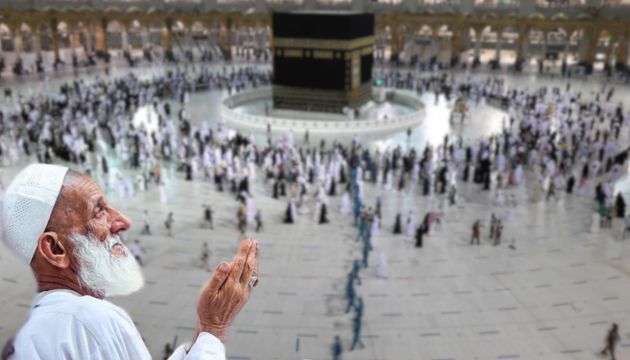
ISLAMABAD: The federal cabinet has approved the Private Hajj Policy 2027-2030 presented by the Ministry of Religious Affairs, introducing a series of reforms aimed at improving transparency, accountability, and the protection of pilgrims.
According to a ministry spokesperson, the four-year policy will align Pakistan’s private Hajj system with Saudi Arabia’s Vision 2030. The existing quota-based system will be replaced with a framework that focuses on performance and regulatory compliance.
Under the new policy, all existing Hajj operators will undergo a fresh evaluation process. Private Hajj quotas will be allocated on a first-come, first-served basis, while each operator will be required to secure bookings for at least 2,000 pilgrims. Companies that fail to meet this requirement will be declared inactive.
The policy also introduces stricter accountability measures. Operators with poor performance may lose 50 percent of their security deposit, while affected pilgrims will be automatically transferred to other operators. Independent experts will assess and rank all Hajj companies, and licenses will be issued for a three-year period.
In addition, the buying and selling of Hajj quotas has been banned. The government has also pledged strict action against cartelization and monopolistic practices within the private Hajj sector.
The Ministry of Religious Affairs said private Hajj operations will be fully digitized. All bookings will be processed through the Private Hajj Management Portal (PHMP), which will be integrated with the systems of the National Database and Registration Authority (NADRA) and the State Bank of Pakistan. Manual bookings and cash transactions will no longer be allowed.
Under the new framework, Hajj companies will not be permitted to hold pilgrims’ funds. Payments to Saudi service providers will instead be made directly through an official account managed by the State Bank of Pakistan.
ALSO READ >>> >>> MDCAT 2026 to be held nationwide on August 16, says PMDC
The reforms come after a private Hajj crisis this year left around 67,000 Pakistanis unable to perform Hajj when several operators failed to complete payments and contractual requirements within deadlines set by Saudi authorities. The issue prompted an inquiry ordered by Prime Minister Shehbaz Sharif and drew criticism of private operators and the regulatory system.
The ministry said the reforms are intended to establish a transparent, efficient, and accountable private Hajj management system that meets the requirements of Saudi Vision 2030 and helps prevent future cases of mismanagement or fraud.