


ISLAMABAD: The government approved a major increase in the fuel levy on high-octane petrol, mainly used in luxury vehicles, to deal with the ongoing fuel crisis caused by tensions in the Middle East.
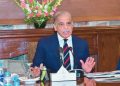
According to a statement from the Prime Minister’s Office, Prime Minister Shehbaz Sharif chaired a meeting via video link and decided to raise the levy on high-octane fuel from Rs100 per litre by an additional Rs200. This brings the total levy to Rs300 per litre.
The government said the move is expected to save around Rs9 billion per month. These funds will be used to provide relief to the general public.
The statement added that the decision aims to reduce the country’s economic burden, with the wealthy class bearing the cost. It also clarified that the increase applies only to high-octane fuel used in luxury cars.
Prices of regular petrol for ordinary vehicles will remain unchanged. Public transport fares and air travel costs will also not be affected.
ALSO READ
ADB to provide $10bn financing to Pakistan under CPS 2026-30
The prime minister had earlier taken notice of rising high-octane fuel costs and directed the concerned ministry to prepare a strategy.
The meeting was attended by Finance Minister Muhammad Aurangzeb, Information Minister Attaullah Tarar, Petroleum Minister Ali Pervaiz Malik, and other senior officials.
Earlier, during a press conference in Lahore, Finance Minister Aurangzeb said the government is preparing a targeted relief package for deserving people. He invited the public to share suggestions and said ministries including Petroleum, IT, and Finance are working together on the plan.
He added that Prime Minister Shehbaz Sharif had discussed economic and energy challenges in his recent address to the nation. He warned that regional tensions and possible conflict could affect energy supplies.
ALSO READ
HEC rolls out mentoring programme for universities across Pakistan
Two weeks ago, the government increased petrol and diesel prices by Rs55 per litre, or 20 per cent, due to the ongoing Iran–Israel conflict escalation, which disrupted supply chains and pushed global oil prices to a two-year high.
The increase in petrol prices was higher than the global rise, as the government collected extra funds from consumers to subsidise diesel used in public transport and agriculture.
However, the prime minister said the government has twice absorbed fuel price increases instead of passing the full burden to the public.
Meanwhile, both federal and provincial governments have introduced austerity measures. These include an extra weekly holiday, cuts in free petrol for ministers, limits on official vehicles, and a proposal to provide subsidised fuel for students.