

ISLAMABAD: BBC Urdu has clarified that it has no link with a digital media company named BBC Urdu News Punjab TV, which is operating in Pakistan while using the BBC’s name.
In a statement issued on social media, BBC Urdu said the company and its so-called reporters are not associated with the BBC, nor have they been authorised to use its name. The organisation urged its audience to verify any content published under BBC’s name directly from its official platforms.
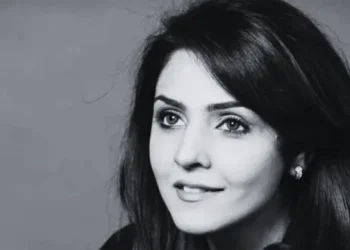
The clarification comes after several clips recently went viral on social media showing a young woman holding a BBC Urdu microphone while attempting to report at various events. The videos were widely circulated as humour due to the lack of seriousness in her reporting style. Another clip of the same girl giving an interview, where she mentioned her education as matriculation, also spread online.
— ALSO READ —
Water reservoirs to be built with provinces’ consultation: PM
While some social media users, especially women, encouraged her efforts, the majority criticised the unprofessional behaviour, calling it against journalistic ethics. Many users even questioned whether BBC had started hiring such individuals for reporting.
There are hundreds of correspondents in small towns and villages continuously updating about the flood situations in their areas, risking their lives, and helping the local people and administration, but our social media giants are promoting this nonsense. pic.twitter.com/qPiJwJgo7l
— Shiraz Hassan (@ShirazHassan) August 29, 2025
Commenting on one of these viral clips related to the recent floods in Punjab, journalist Shiraz Hassan wrote on his social media account: “There are hundreds of correspondents in small towns and villages continuously updating about the flood situation in their areas, risking their lives, and helping the local people and administration, but our social media giants are promoting this nonsense.”
Media observers say the episode highlights a wider trend in Pakistan, where many individuals without journalistic education, training, or experience have launched YouTube channels or created accounts on other platforms, trying to present themselves as journalists. Such self-styled reporters often gain acceptance among ordinary or less-educated users, mainly because they speak in favour of their preferred political parties or comment on popular topics. However, professional journalist bodies and serious media circles strongly reject recognising them as journalists. Despite this, these accounts continue to attract large numbers of followers.